
Why farmers?
We support farmers because farmers support the world
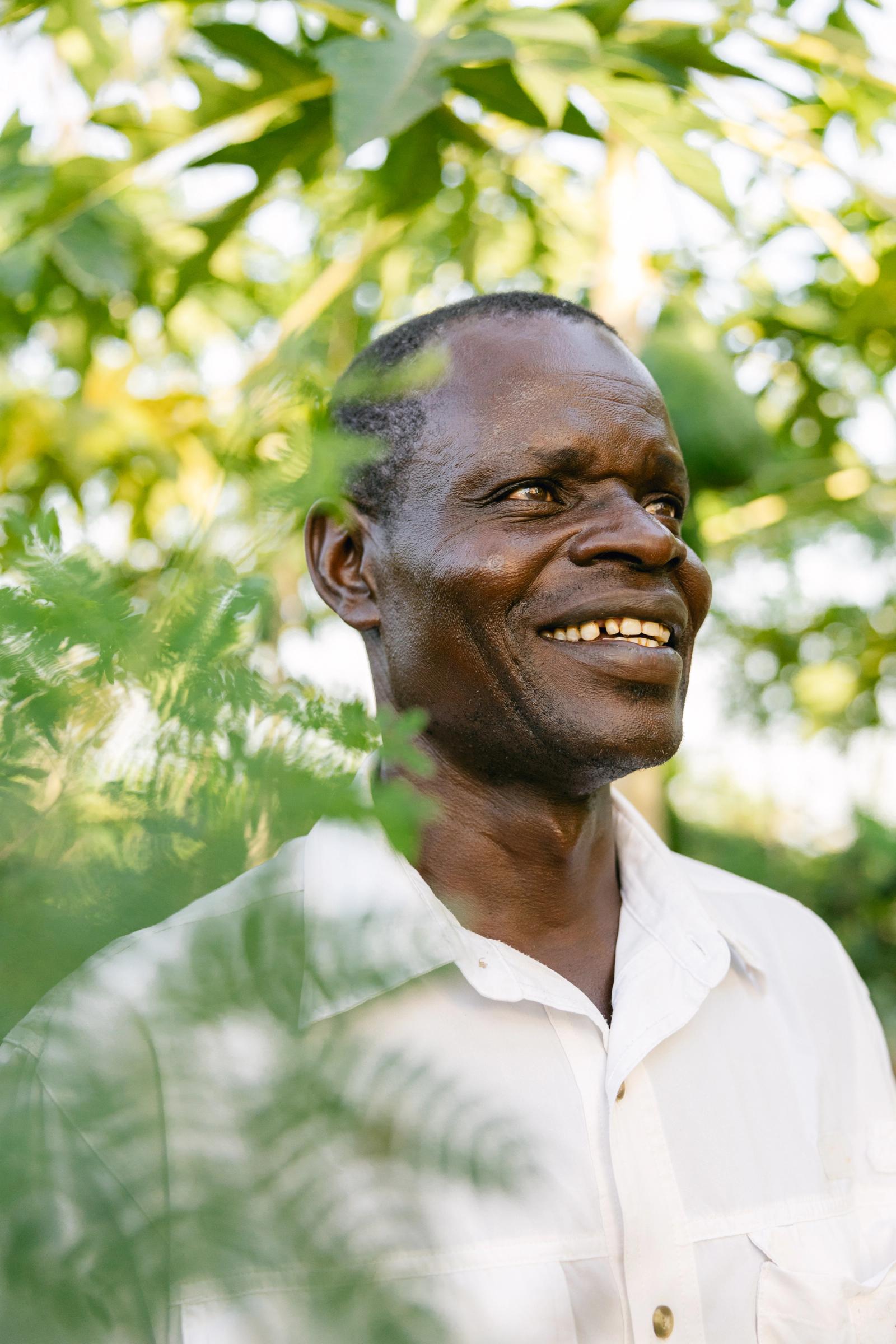
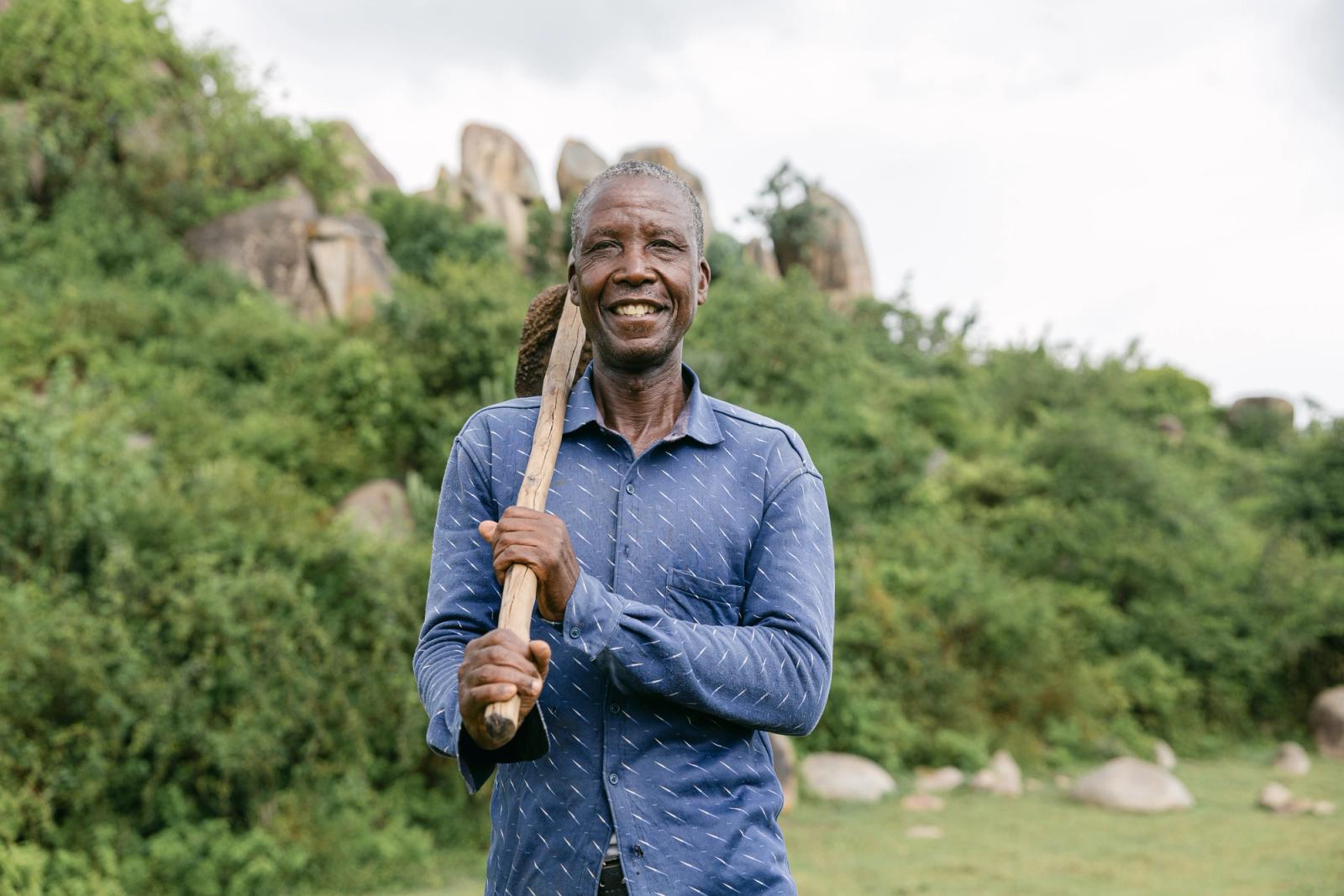
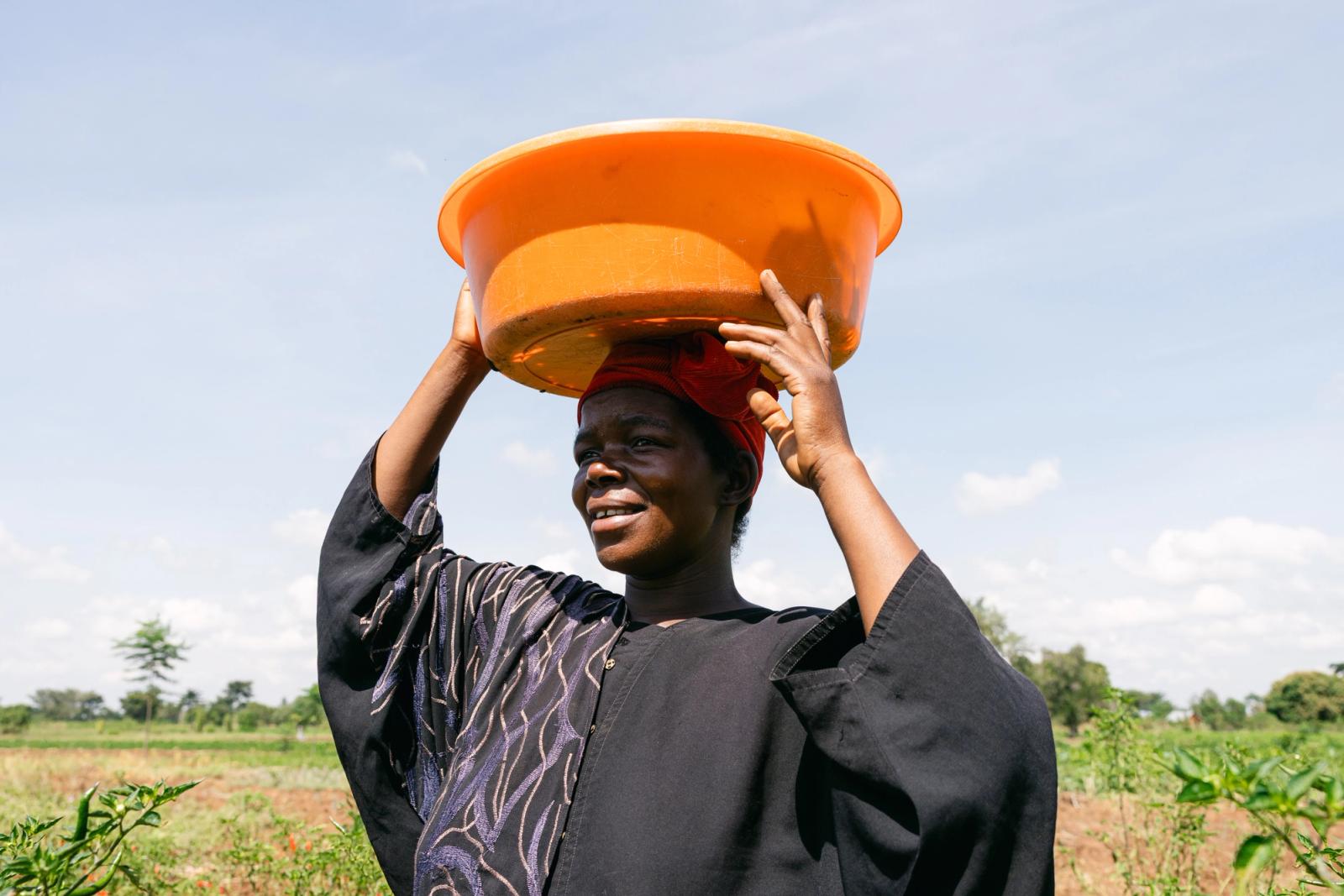
Full plates, thriving communities, and a resilient climate all start in the same place — with a committed farmer and the land they tend. That’s why TREES believes that lasting change is farmer-led.
A bitter reality
African farmers are on the front lines
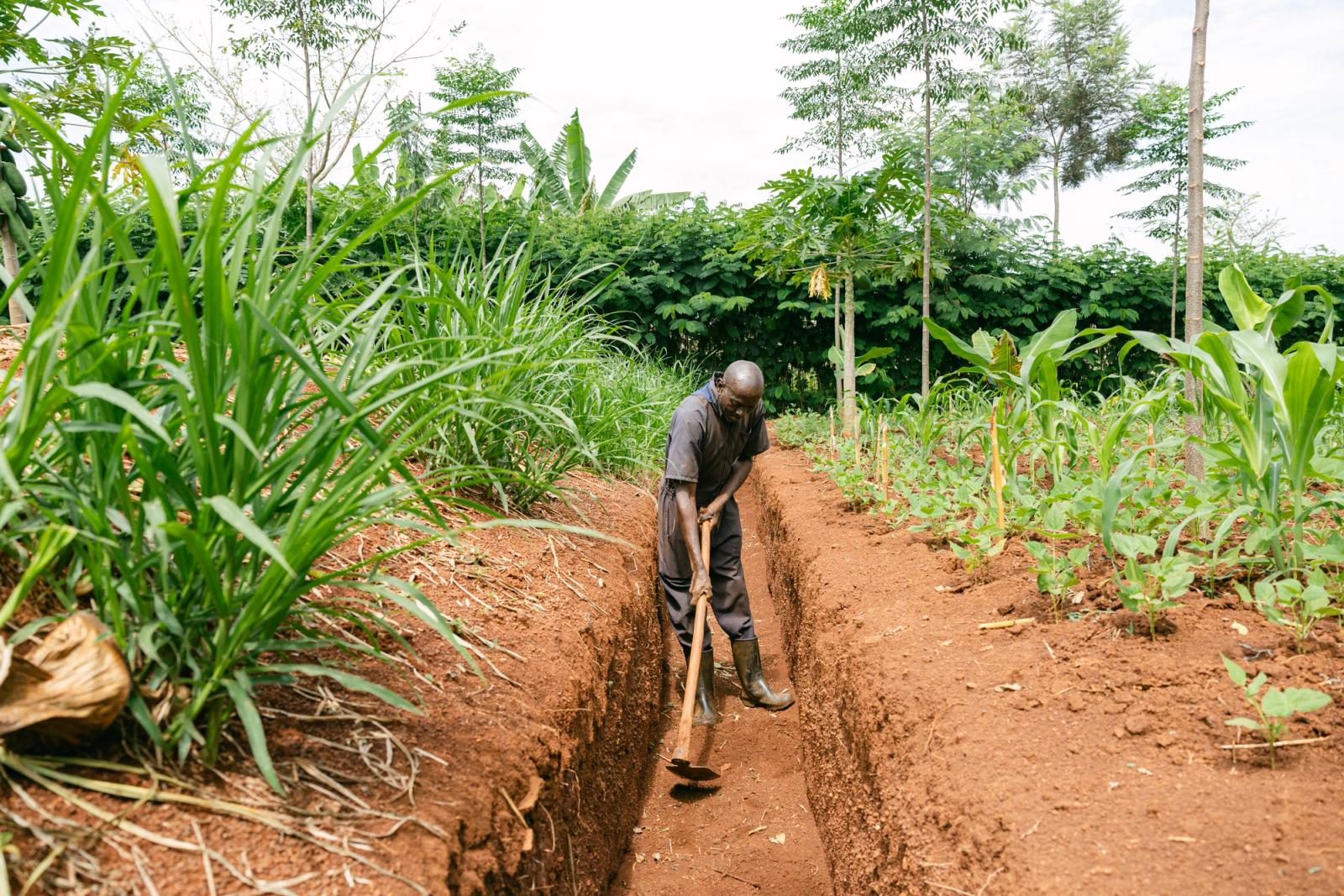
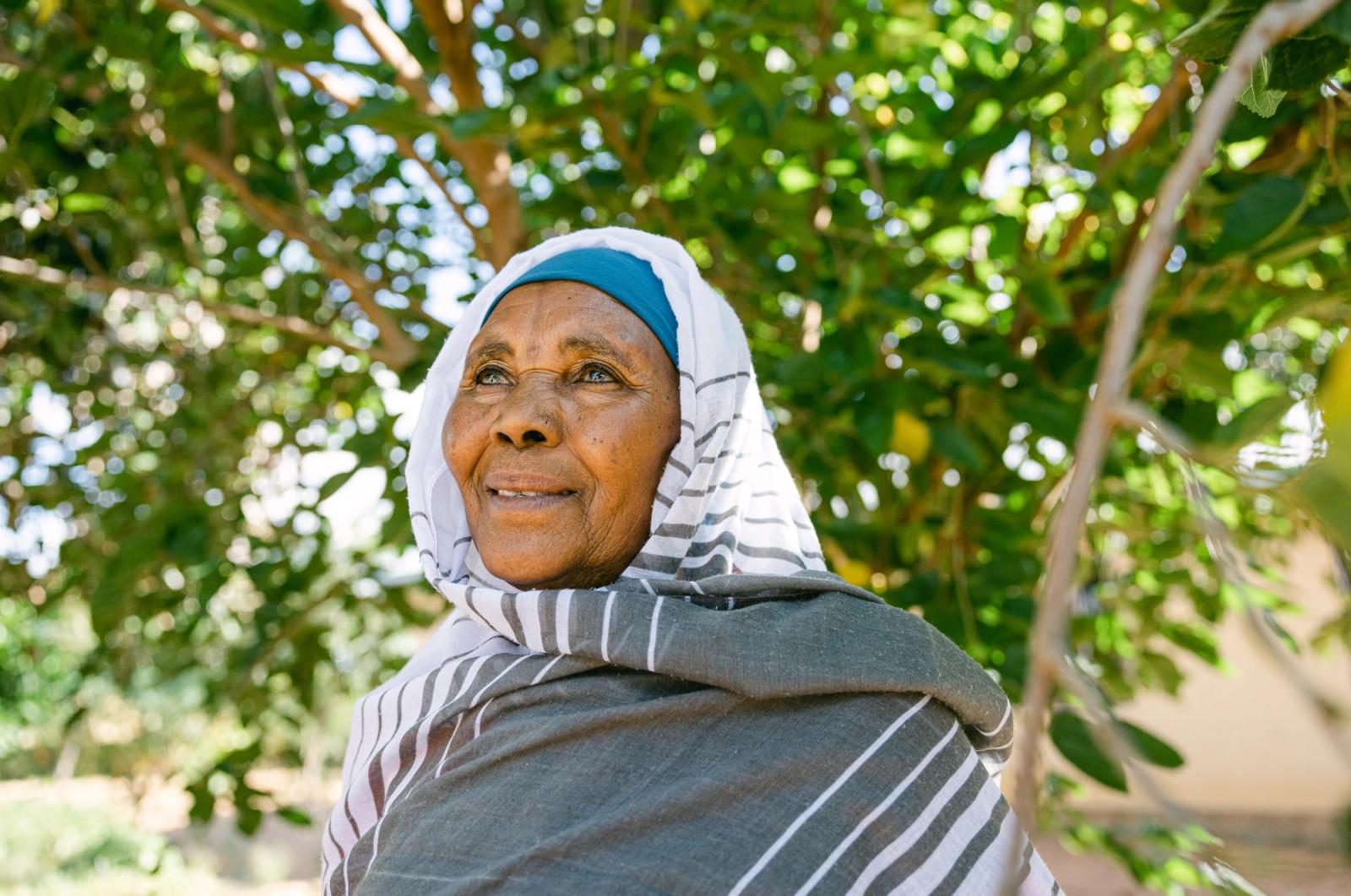
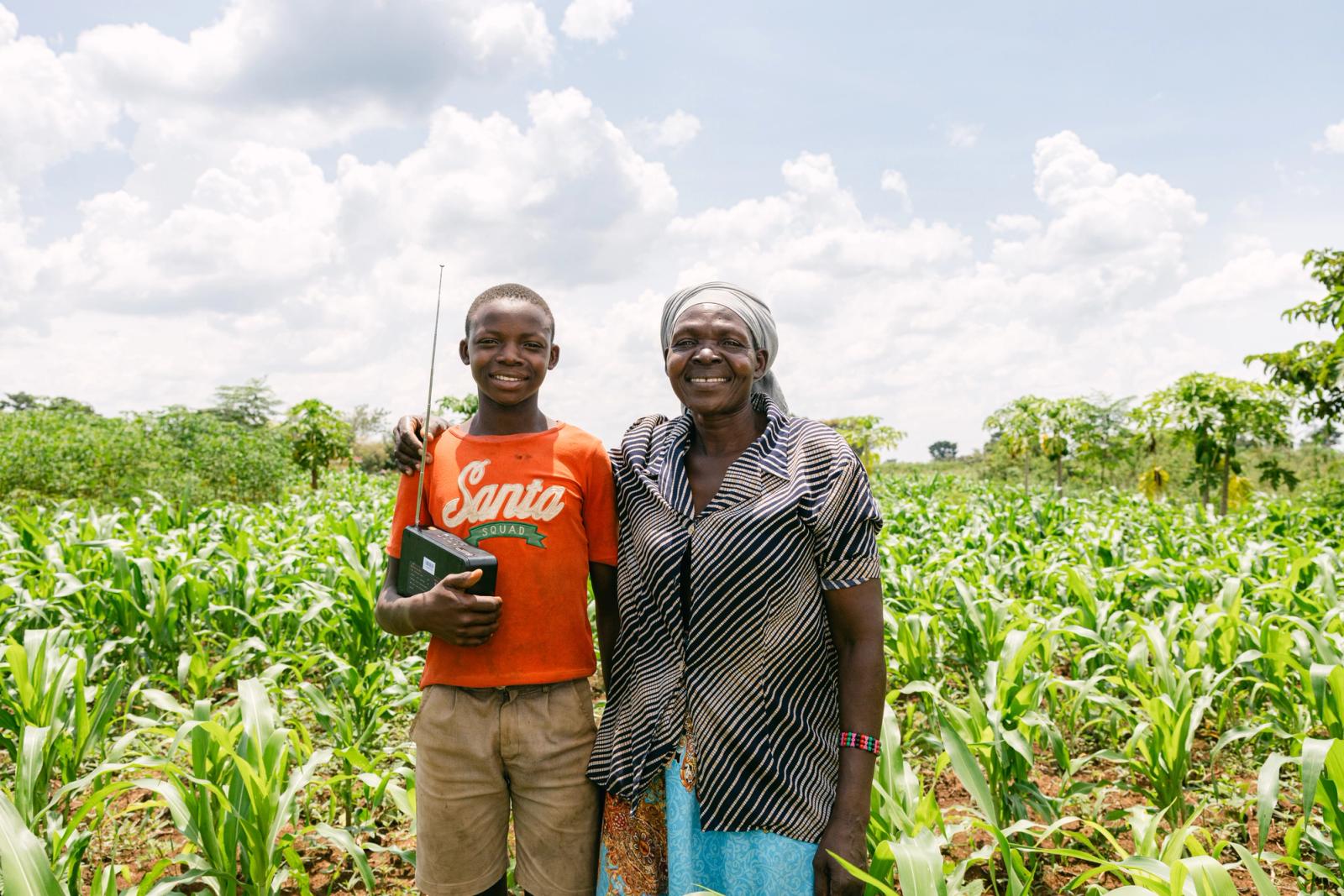
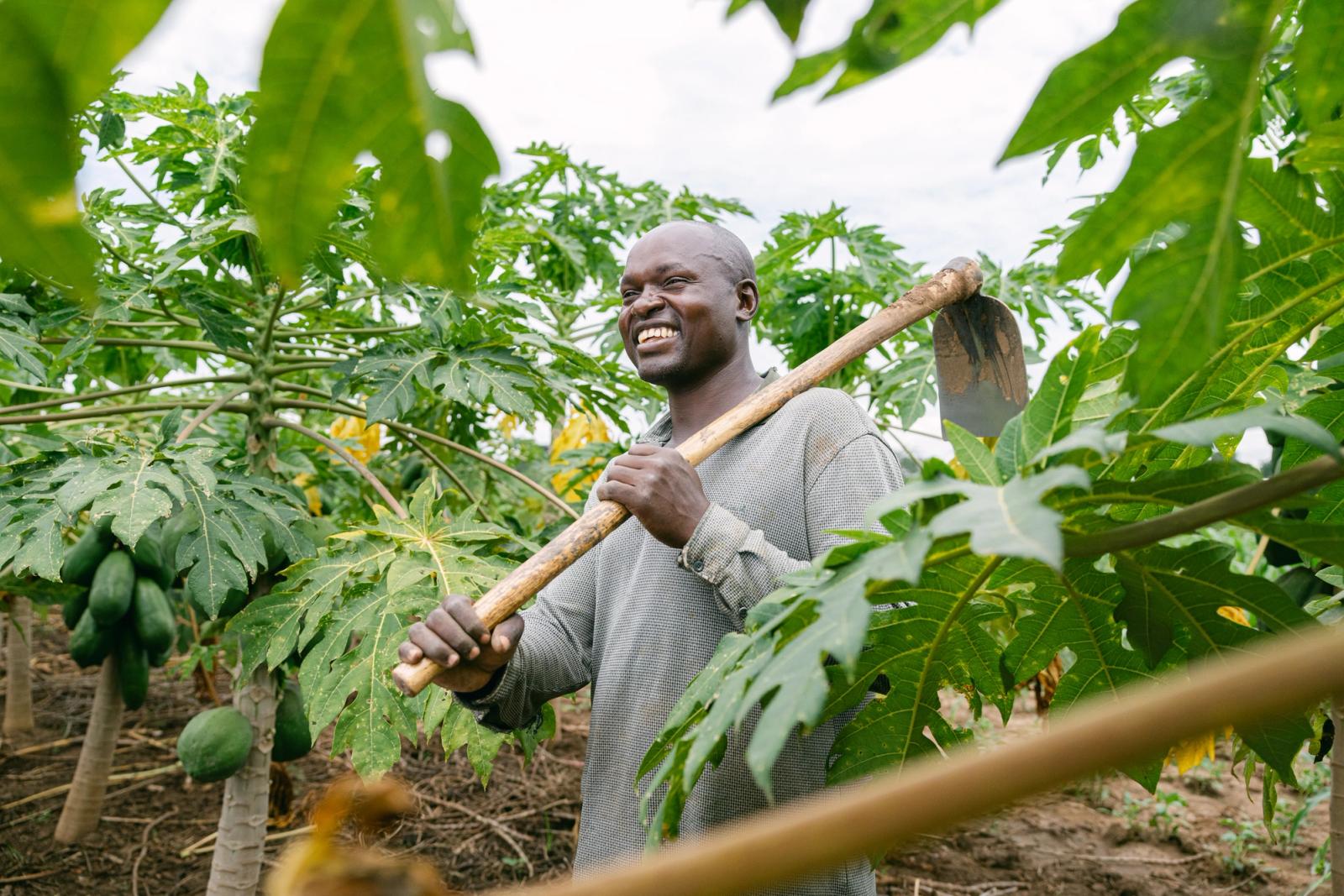
33 million smallholder farmers produce 80% of Africa's food. They nurture it from 600 million acres of degraded land in some of the most climate-vulnerable regions on earth — with few tools, little support, and a broken system.
But farmers know the land better than anyone. Their generational expertise, paired with TREES' science-backed regenerative farming approach, is strengthening communities, climate resilience, and biodiversity.
The solution
Collaboration creates the best yield
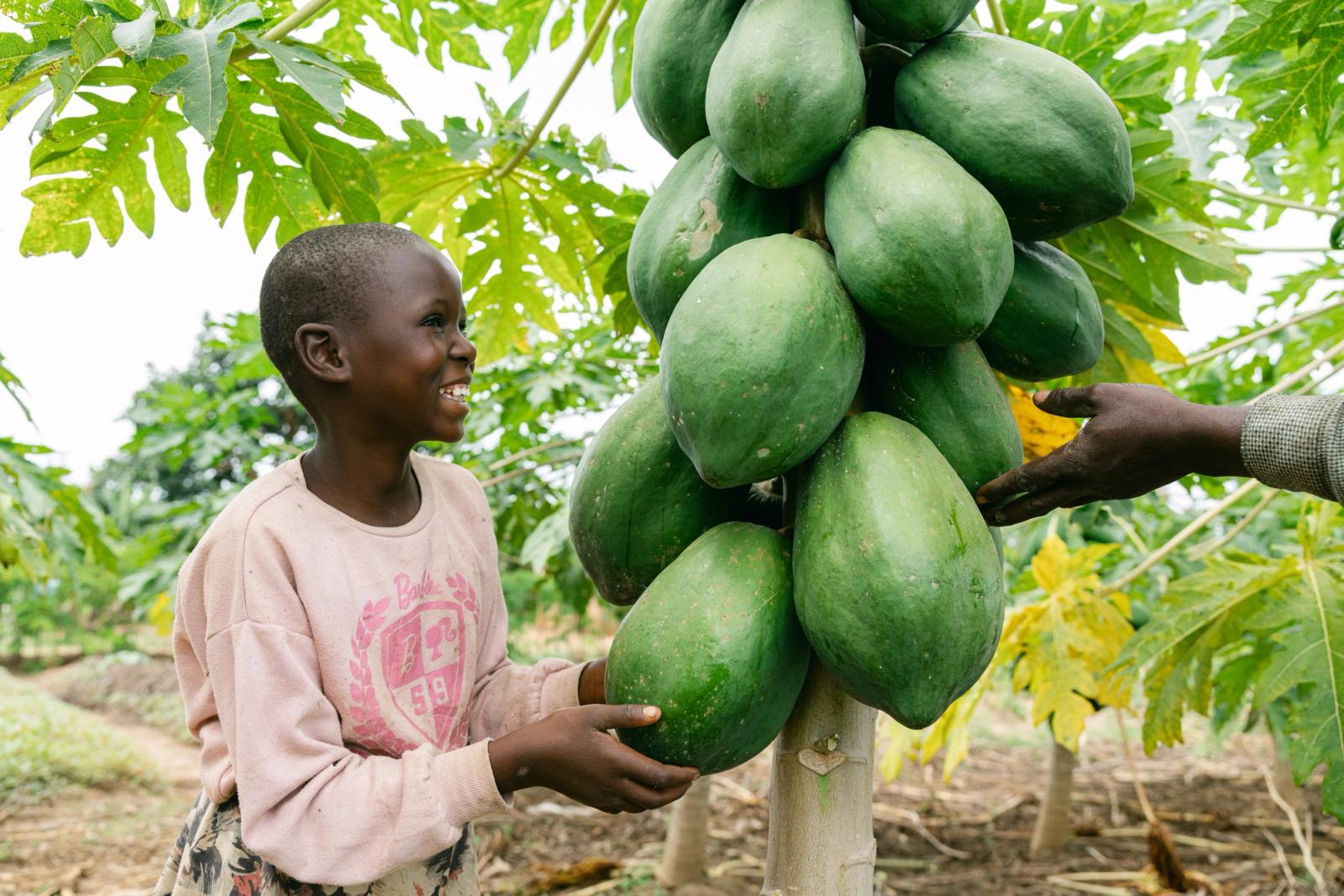
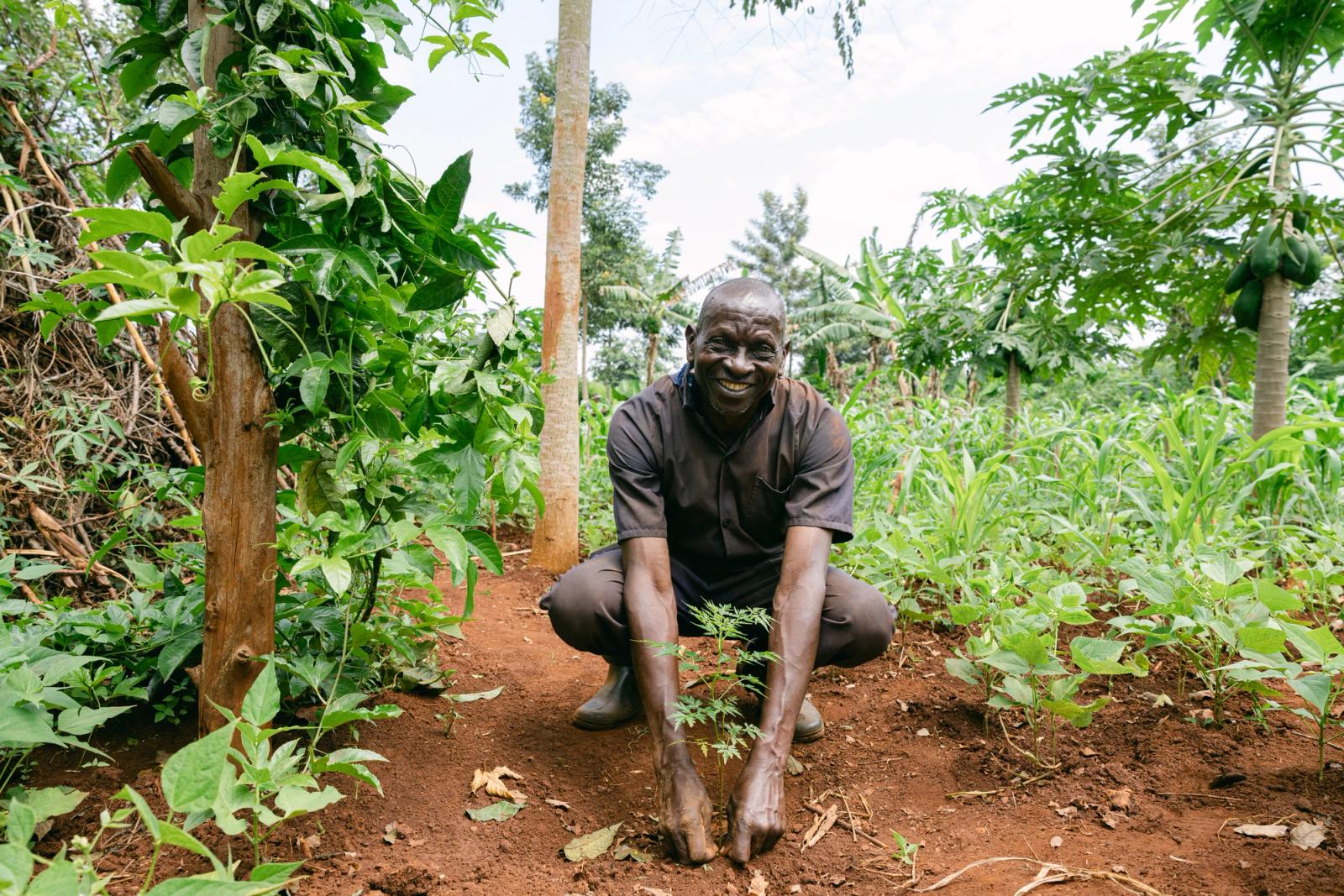
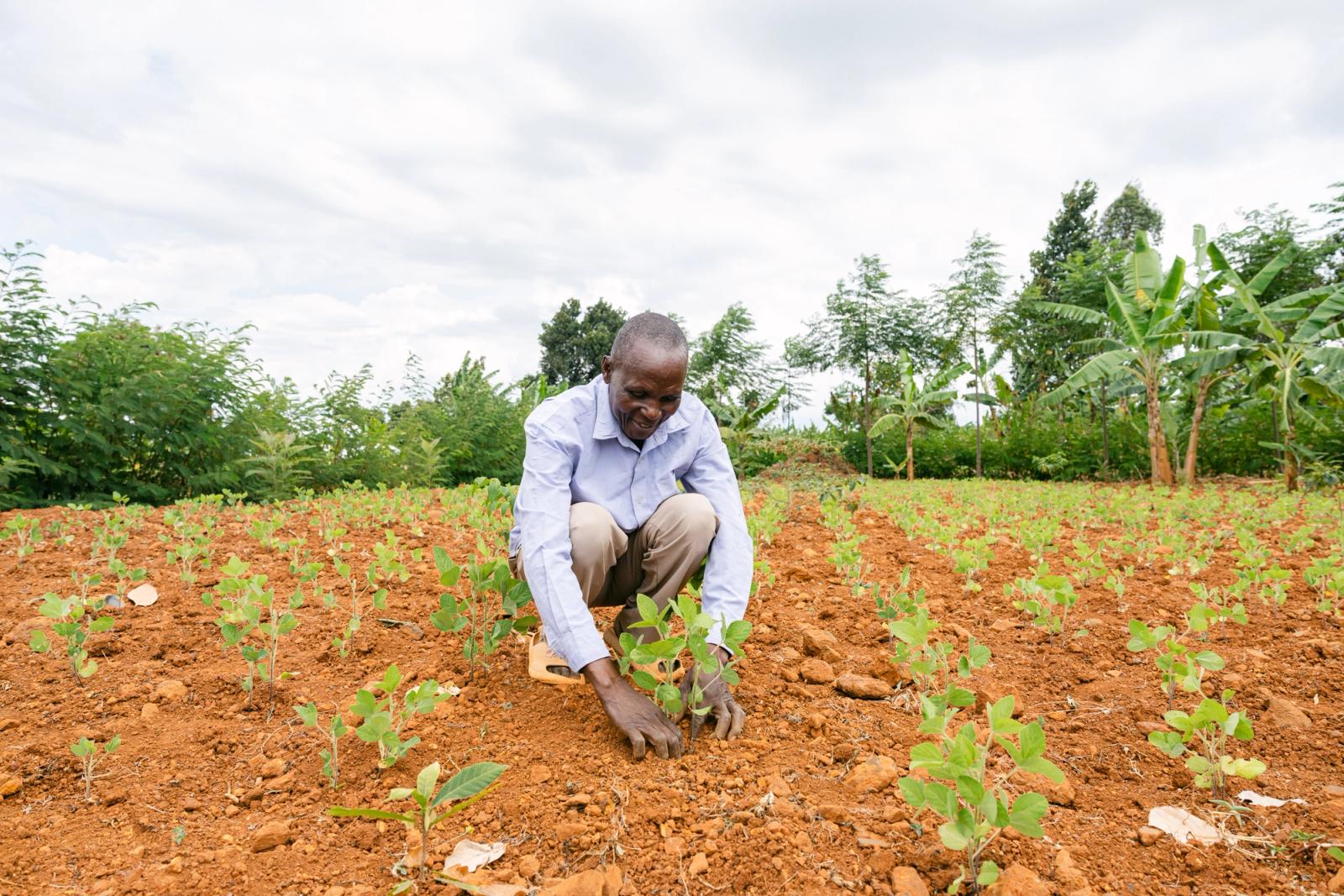
Regenerative farming is the art of blending a variety of trees, plants, and crops to create a farm that restores soil, sequesters carbon, and builds resilience to climate and market shocks. When farmers pair their firsthand knowledge with TREES' decades of learning, the progress is real.
Explore the TREES approach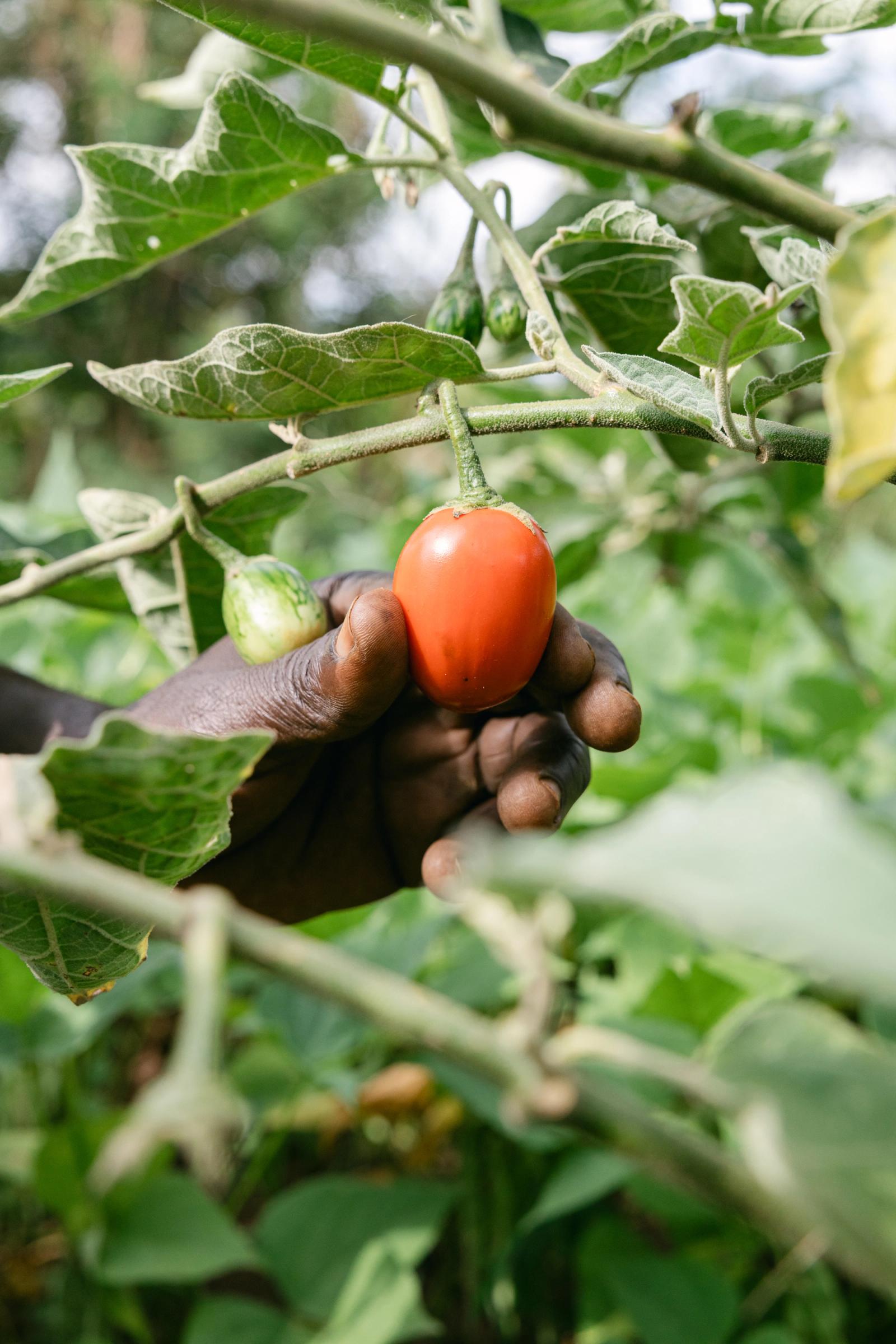
The outcomes
Real farmers, real stories
Meet Justine
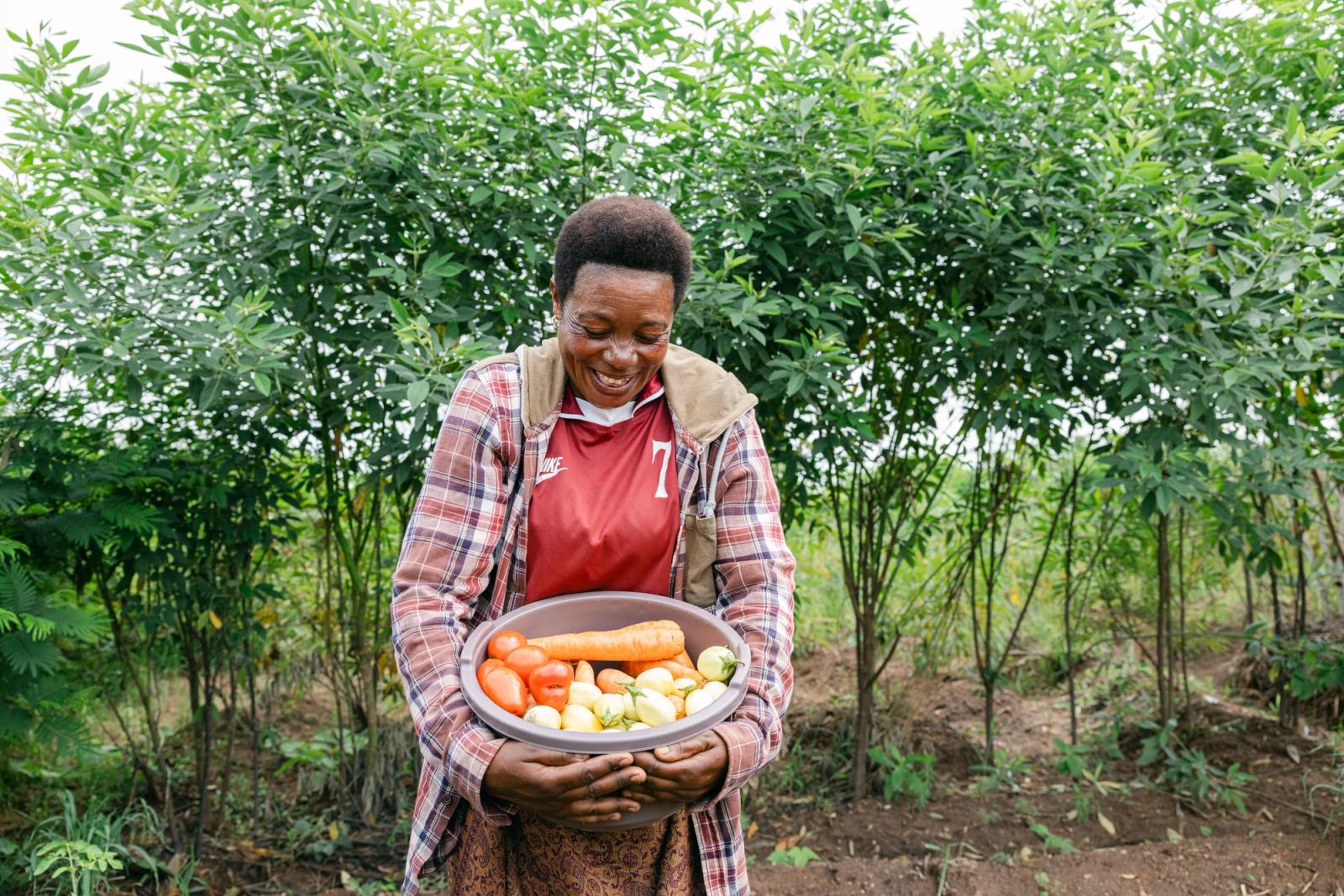
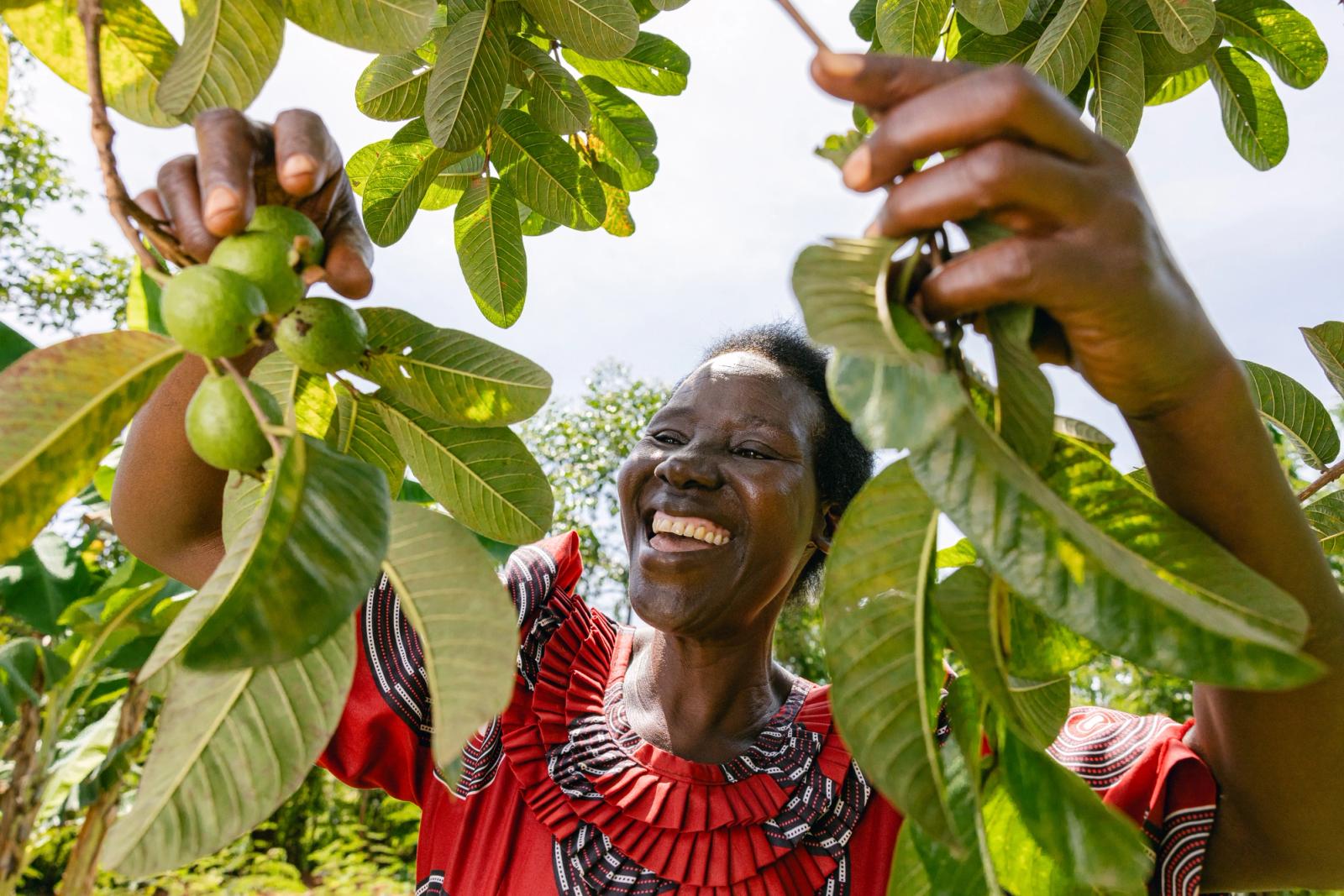
Before partnering with TREES, Justine grew and relied on just two crops to provide for her family all year. Today, Justine has nearly 4,000 trees growing on her farm and over a dozen plant species. At any given time, she has seven food crops and 38 marketable products she can rely on.
“I used to think a balanced diet was for rich people only. Now, I can assure you that it’s for knowledgeable farmers.”Read more
African farmers lead the way
From restoration, resilience
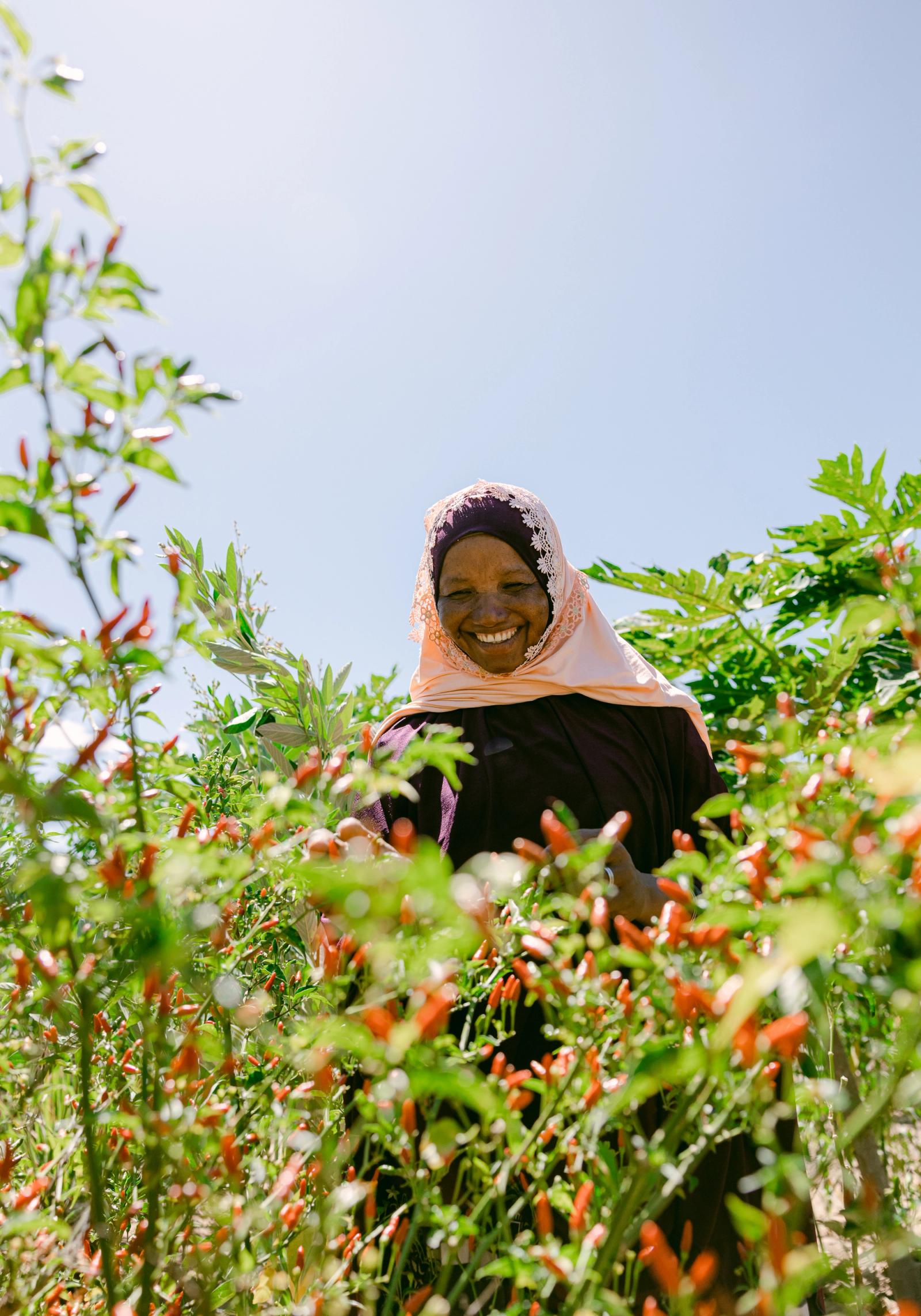
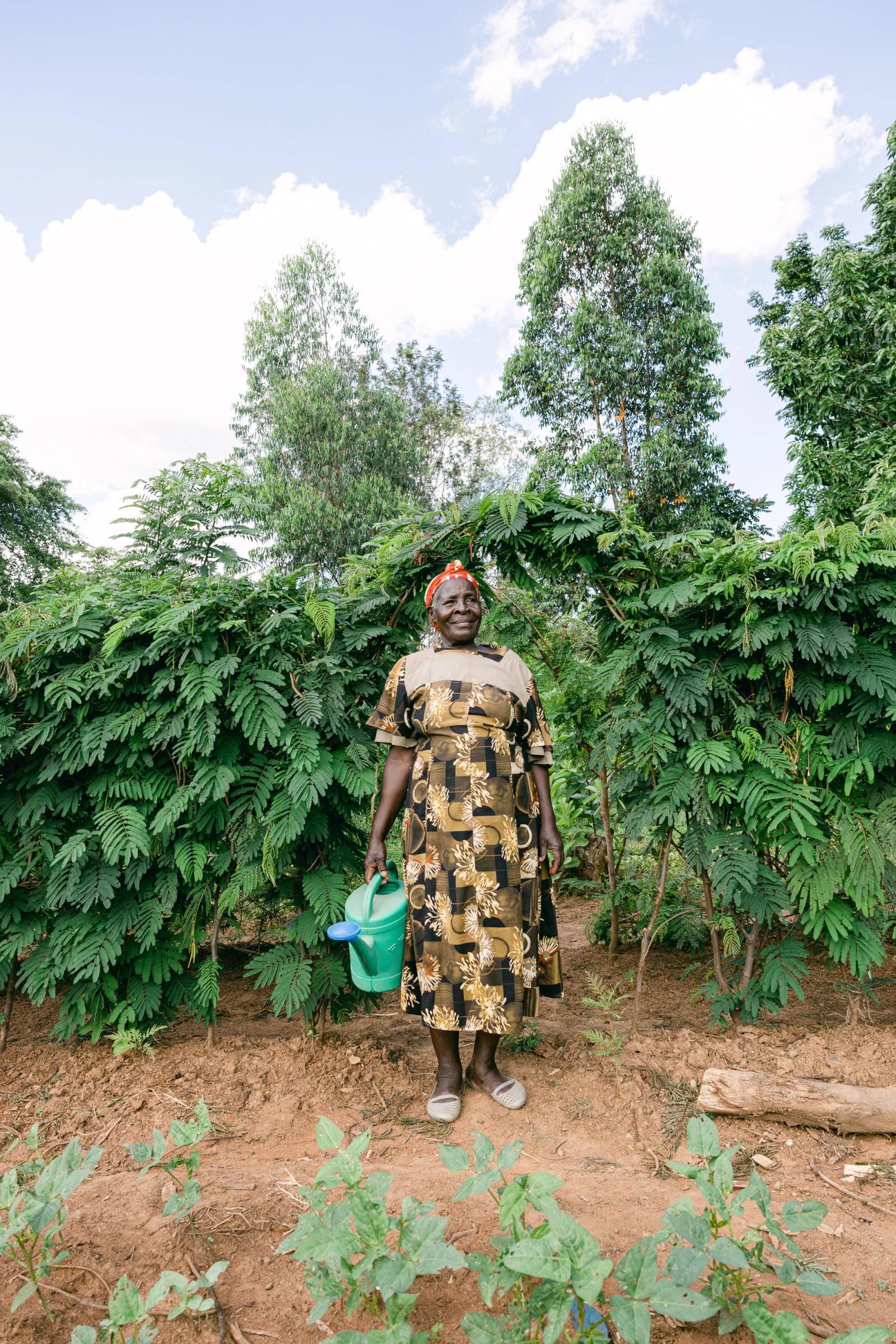
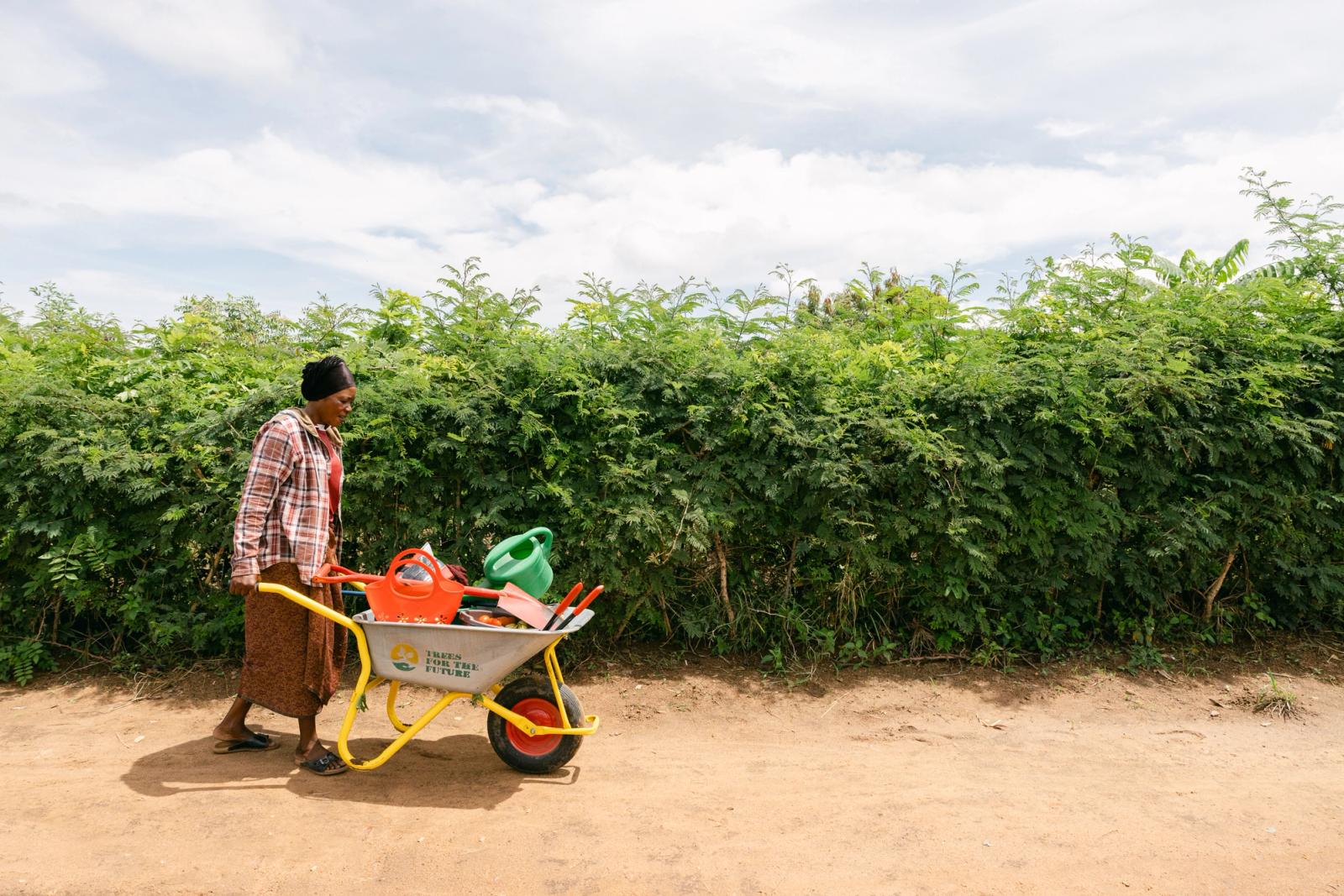
Farmers in Kenya, Uganda, and Tanzania live in one of the world’s most climate-vulnerable farming regions. It would be easy to accept their fate. Instead, they’re leading the way. The TREES’ projects in the Lake Victoria region are showing everyone that farmer-led restoration works — and if it can happen here, it can happen anywhere.
Explore the Lake Victoria projects
Proud to be recognized as a
UN World Restoration Flagship
As a World Restoration Flagship, TREES is recognized as one of the best large-scale ecosystem restoration efforts on the planet. This means both local farmers and global leaders are vouching for the impact of our work.
Read more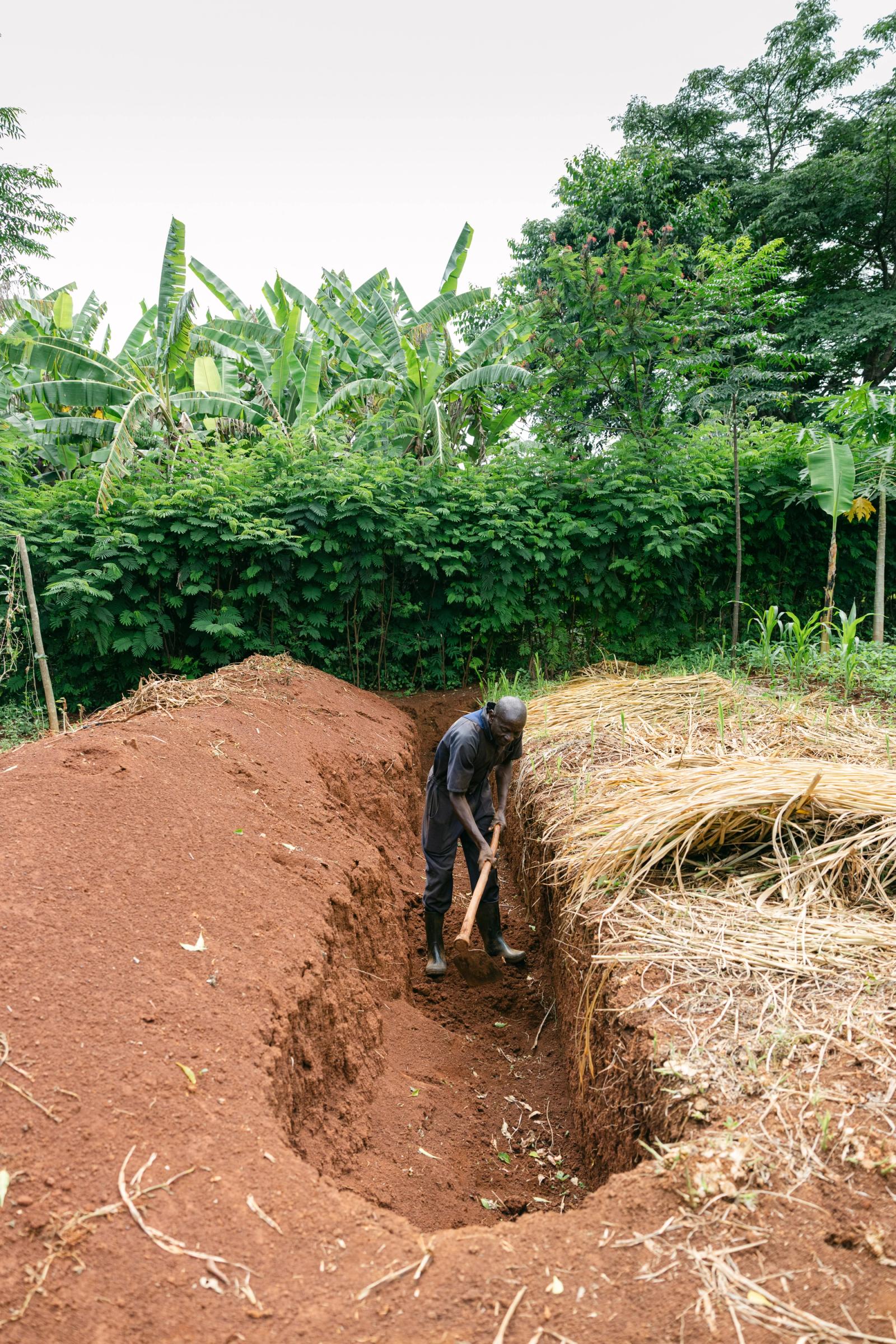
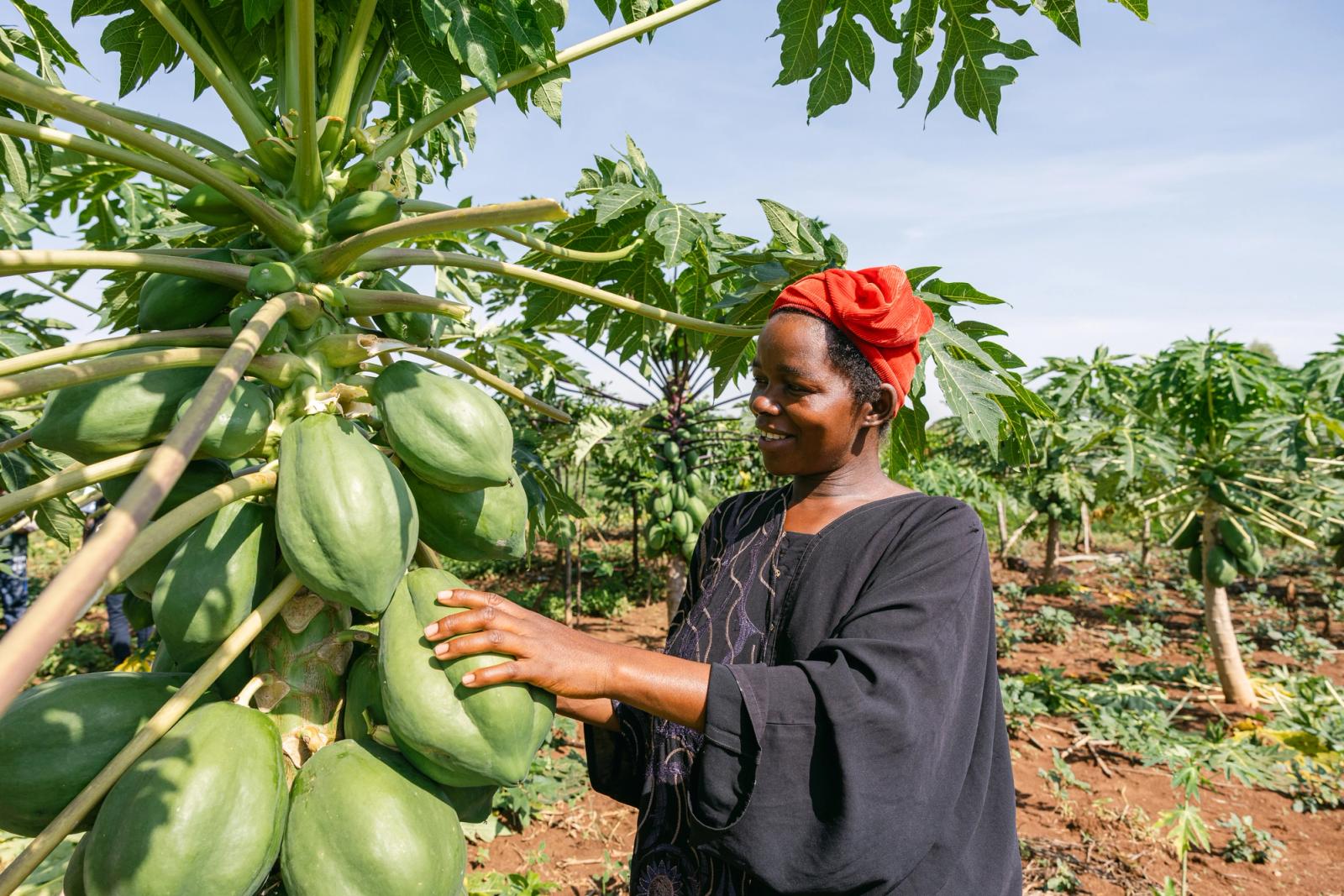
Farmers partner with TREES to restore their land and unlock prosperity.
Now, you can partner with us. Give today to support more farmers on the front lines of food security, poverty, biodiversity loss, and climate change.
Support farmers today